GST, TDS and Labour Cess on House Construction in Delhi: The Taxes Homeowners Actually Pay in 2026
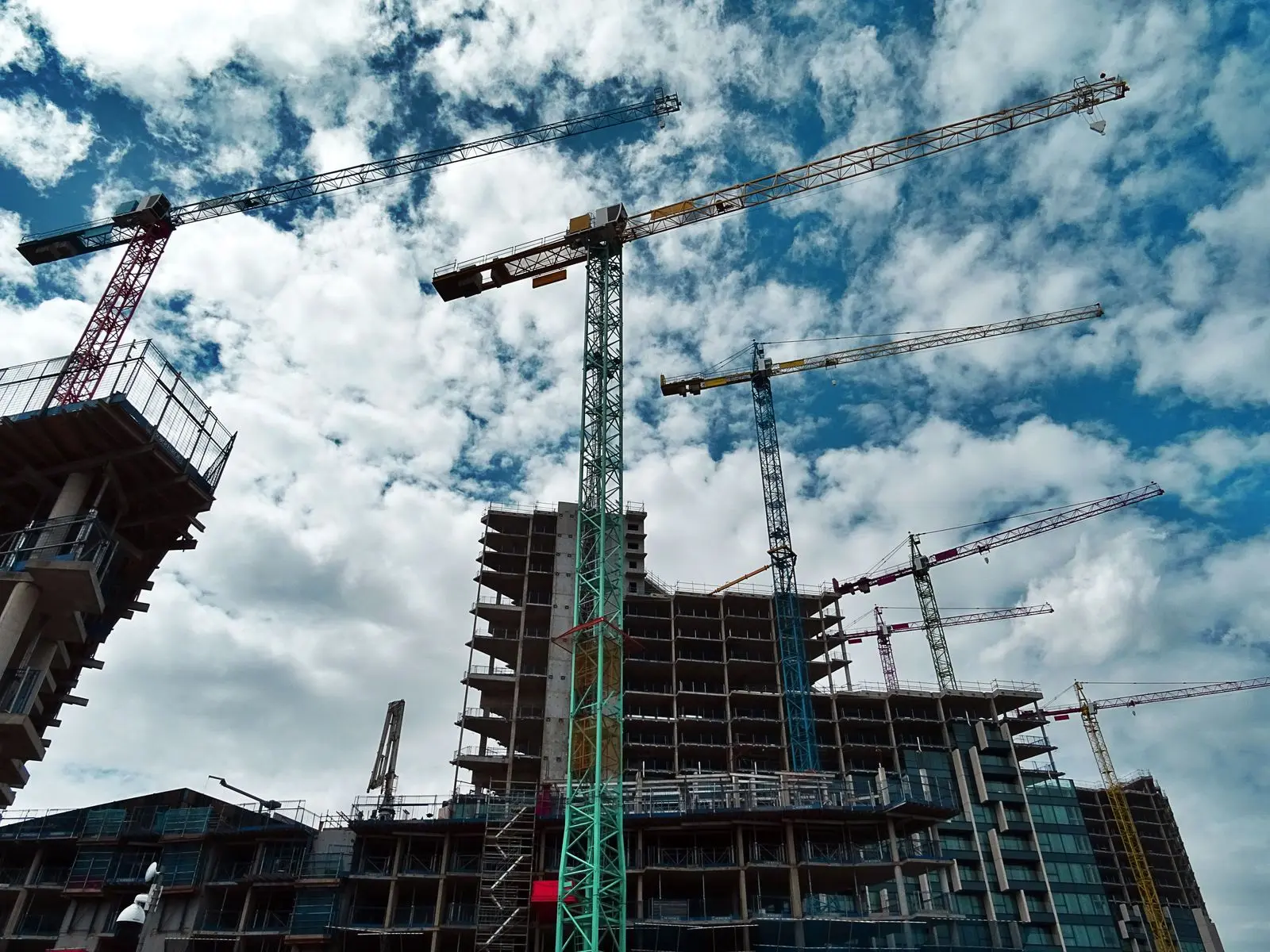
Three taxes touch a house build in Delhi in 2026. GST at 18% applies to a turnkey construction agreement, because it is a works contract; a pure labour contract for a single house is exempt, though you then pay GST on every material yourself. TDS of 2% must be deducted by an individual whose payments to a contractor cross ₹50 lakh in a financial year, under the Income-tax Act 2025 that took effect on 1 April 2026. And a building workers' welfare cess of 1% of the cost of construction applies under the Code on Social Security 2020, with an exclusion for owner-occupied houses costing up to ₹50 lakh. None of these appears in a per-square-foot rate, so this guide explains each one, links the rule it comes from, and works through a ₹60 lakh example.
How Much GST Applies to House Construction in 2026?
A turnkey or with-material contract, where the builder supplies both labour and materials and hands over a finished house, is a 'composite supply of works contract' and is taxed at 18% (9% CGST plus 9% SGST) under heading 9954 of the CGST services rate notification. The September 2025 rate rationalisation did not change that: the 56th GST Council collapsed the 12% slab and moved specific government earthwork and offshore contracts to 18%, but private construction services were already there. Renovation, repair and alteration contracts are works contracts too and carry the same 18%.
A pure labour contract is different. Entry 11 of the GST services exemption notification exempts 'services by way of pure labour contracts of construction, erection, commissioning, or installation of original works pertaining to a single residential unit otherwise than as a part of a residential complex'. So if you hire a labour-rate contractor for your own house and buy every material yourself, no GST is charged on the labour. The condition is strict: the contractor must supply labour only, and the unit must be a single house, not a floor in a building sold as a complex. Tax practitioners warn that even incidental material supplied by the contractor can turn the whole contract into a taxable works contract, so the agreement should say who buys what. Our comparison of turnkey and labour-rate contracts covers the other trade-offs.
Under a labour contract the GST simply moves to the materials, which you pay at each item's own rate with no credit available to a homeowner. Since 22 September 2025 cement is taxed at 18%, down from 28%; marble and granite blocks and sand-lime bricks fell from 12% to 5%; other bricks stay under the special composition scheme at 6% without input credit or 12% with it, as the Council's FAQs confirm. Steel, pipes and most fittings sit in the 18% slab, as ClearTax's summary of construction GST rates sets out. Under a turnkey contract the builder pays those material taxes, claims input credit, and charges you 18% on the whole contract; under a labour contract you pay the material GST directly and nothing on labour. Which route is cheaper after tax depends on the labour share of your project, and on the wastage and time costs that our turnkey-versus-labour guide explains.
Do You Have to Deduct TDS When Paying Your Contractor?
Possibly, and the trigger is ₹50 lakh. Since 1 April 2026 tax deduction at source sits in section 393 of the Income-tax Act 2025, whose Table lists two contractor entries. Item 6(i) applies to businesses, firms, companies and to individuals who were liable to tax audit in the previous year (turnover above ₹1 crore in business or ₹50 lakh in a profession); they deduct 1% when the contractor is an individual or HUF and 2% otherwise, on any payment above ₹30,000 or ₹1 lakh in a year. Item 6(ii) is the one that catches a salaried homeowner: an individual or HUF not covered by 6(i) must deduct 2% of the total payment once the sums paid to a resident contractor in a financial year exceed ₹50 lakh. This is the successor to section 194M of the old Act, and the rate and threshold carried over unchanged; Taxguru's section 393 table and India Briefing's guide set out the entries and the 1 April 2026 start date.
Two practical points. TDS is not an extra cost: you deduct it from what you owe the contractor and deposit it on their behalf using the challan-cum-statement for individual deductors (Form 141 under the new Act, which replaces the old Form 26QD), without needing a TAN, and the contractor gets credit for it. And the threshold is on payments in the year, so a ₹70 lakh build paid across two financial years may cross it in one year and not the other. Ask your chartered accountant to confirm the base and the due dates, and ask your builder for a clause that says milestone payments are net of TDS as applicable, with the certificate to follow.
What Is the Building Workers' Welfare Cess and Who Pays It?
The Code on Social Security 2020, in force since 21 November 2025, replaced the old BOCW Act and Cess Act. Section 100 of the Code levies a cess of between 1% and 2% of the cost of construction, excluding the cost of land and any compensation paid to workers, at a rate the central government notifies; the text of the Code is on PRS India. In May 2026 the Ministry of Labour and Employment notified the rate at 1%, superseding the 1996 notification, so the rate is unchanged from the old regime. The money funds the state welfare board for construction workers.
The exclusion matters for homeowners. Section 2(6) of the Code excludes from 'building or other construction work' any work that is 'related to own residential purposes of an individual or group of individuals for their own residence and the total cost of such work does not exceed fifty lakh rupees', and also any construction work employing fewer than ten workers. Under the old Act the own-residence limit was ₹10 lakh, so many self-built homes that paid cess before now fall outside it. A ₹45 lakh owner-occupied house is excluded; a ₹60 lakh one is not, and pays 1% on the construction cost, land excluded. Who deposits it depends on the contract: the Code places the levy on the employer undertaking the work, so a turnkey builder normally includes it in the quote, while under a labour contract the owner is the employer. Ask your architect how and when the cess is being deposited, and keep the receipt with the sanction file.
A Worked Example: A ₹60 Lakh House in Delhi
Take a house with a construction cost of ₹60 lakh on a turnkey contract. GST at 18% adds ₹10.8 lakh, so the contract total is ₹70.8 lakh. Because your payments to the contractor exceed ₹50 lakh in the year, you deduct 2% TDS on the payments, about ₹1.2 lakh on the ₹60 lakh contract value (your chartered accountant will confirm whether the GST component belongs in the base), and deposit it in the contractor's name; your cash outlay is unchanged. The cess at 1% of the ₹60 lakh construction cost is ₹60,000, because the own-residence exclusion stops at ₹50 lakh. Taxes payable on top of the build therefore come to about ₹11.4 lakh, or 19% of the construction cost, before the stamp duty on the land and the sanction fees that our construction cost guide lists separately. On a labour contract for the same house, with labour at roughly ₹450 per sqft as our turnkey-versus-labour guide describes, the labour component is exempt from GST and, being under ₹50 lakh, from TDS; the material purchases carry GST at their own rates, and the cess is unchanged.
What Should Your Agreement Say About Taxes?
Four things. Whether the quoted price is exclusive of GST (the usual form, 'plus GST at 18%') or inclusive, and the builder's GSTIN on every tax invoice, issued milestone by milestone so the GST paid matches the work certified. That payments are net of TDS where the law requires it, with the deduction certificate to follow. Who deposits the welfare cess and when. And that the price will be adjusted if a statutory rate changes mid-project, in either direction. Our 12-clause agreement checklist and our milestone payment guide cover the surrounding terms.
Nirman Ved quotes every project with GST shown separately at 18%, tax invoices at each milestone, and the cess position stated in the scope; if you want a build priced with the taxes visible rather than discovered later, call +91-7838355055 or get in touch. This guide is general information, not tax advice; confirm your own position with a chartered accountant.
Ready to Start Your Project?
Get a free site inspection and detailed cost estimate from Nirman Ved.
Get Free Consultation