How Long Does It Take to Build a House in Delhi? Complete 2026 Timeline
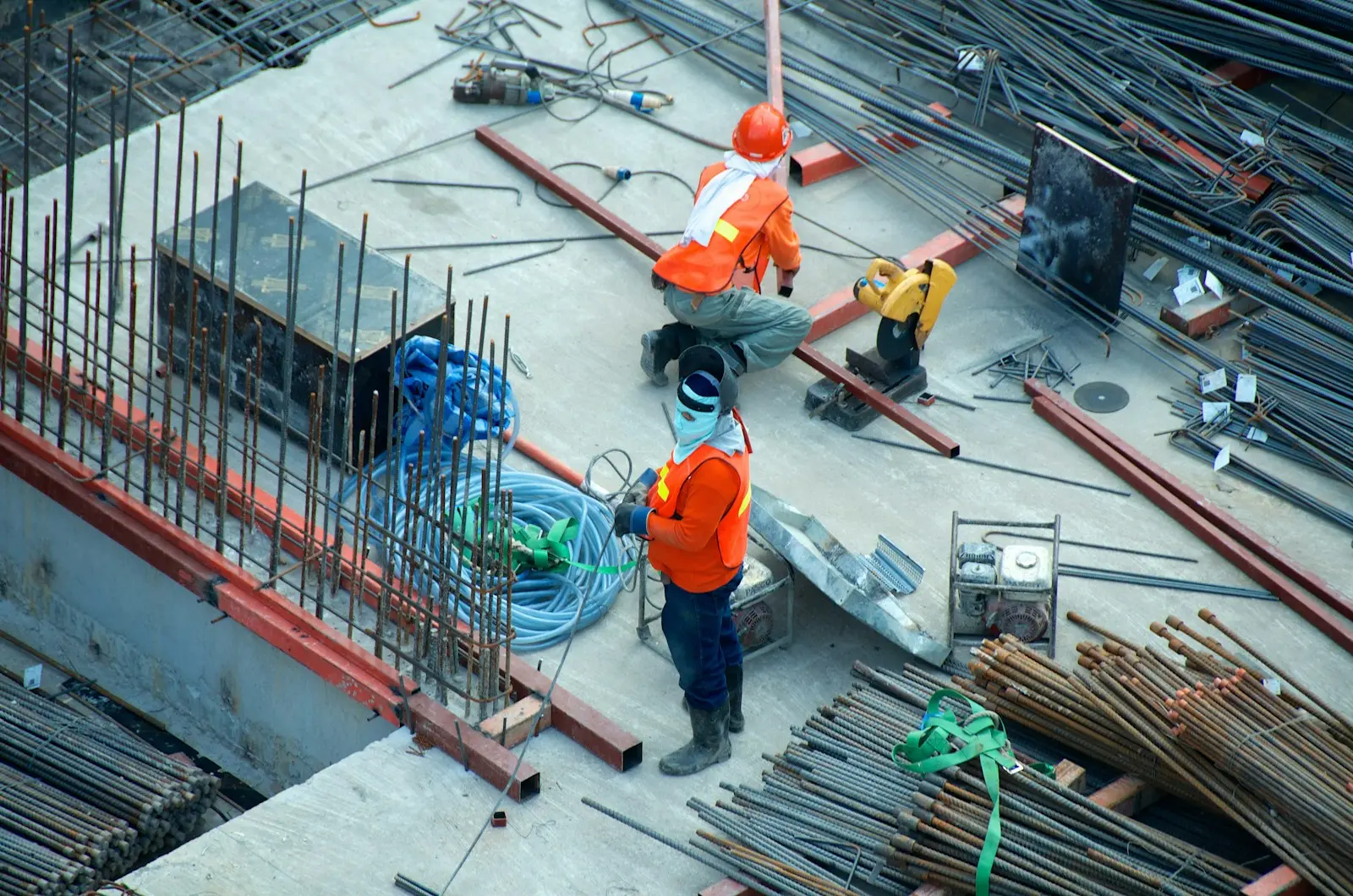
Building a two-floor residential house in Delhi typically takes 14 to 20 weeks from the start of foundation work to final handover. This timeline assumes that you already have the sanctioned building plan from MCD, a cleared and levelled plot, and all materials and labour arranged. At Nirman Ved, we maintain an average project completion time of 16 weeks for a standard G+1 house of 2,000-3,000 sqft total built-up area. This guide provides a week-by-week breakdown so you know exactly what to expect.
Weeks 1-3: How Long Does Foundation Work Take?
Weeks 1-3 are dedicated to foundation work. The process begins with site clearing, boundary marking, and excavation. A soil test report (which should have been done during the design phase) determines the foundation type — in most of Delhi, standard isolated or combined RCC footings work well. Excavation depth ranges from 4 to 6 feet depending on soil bearing capacity. After excavation, PCC (Plain Cement Concrete) is laid as a base, followed by footing reinforcement binding, shuttering, and concrete pouring. The foundation concrete needs a minimum 7-day curing period before column casting begins. In good conditions, foundation work completes in 2 weeks; complex foundations or poor soil conditions may extend this to 3 weeks.
Weeks 3-5: Plinth and Column Construction
Weeks 3-5 focus on plinth and ground floor column construction. Once the foundation has cured adequately, plinth beams are cast to connect all footings and create the base frame for the ground floor. The plinth is then filled with compacted earth or sand, topped with a layer of anti-termite treatment, and covered with a damp-proof course (DPC) membrane. Ground floor columns are cast up to the first-floor slab level. This phase also includes the underground water tank construction, sewer line installation, and initial ground-level plumbing roughing.
Weeks 5-8: When Is the Structural Frame Completed?
Weeks 5-8 cover ground floor slab, first floor structure, and roof slab. The ground floor RCC slab is cast — this is a critical milestone that determines the structural quality of the entire building. After 14-21 days of slab curing (with continuous water curing in Delhi's dry climate), first floor walls begin. Column casting continues to the second floor level, first floor slab is cast, and the process repeats for the roof slab. Brickwork or AAC block work for both floors typically happens in parallel with structural work, moving floor by floor. This is the most labour-intensive phase, involving masons, bar benders, carpenters for shuttering, and concrete crews.
Weeks 8-10: Plastering, Electrical, and Plumbing
Weeks 8-10 are dedicated to internal plastering and rough electrical and plumbing work. Once the structure is complete and walls are up, the internal plastering begins — typically a two-coat process with a base coat of cement mortar and a finish coat. Simultaneously, the electrical team cuts chases (channels) in walls for concealed wiring, installs conduit pipes, switch boxes, and DB (distribution board) enclosures. The plumbing team installs water supply pipes, drainage pipes, bathroom fittings rough-in, and kitchen plumbing points. This is hidden work that becomes inaccessible after finishing, so quality inspection at this stage is critical.
Weeks 10-14: Waterproofing, Flooring, and Tiling
Weeks 10-12 focus on external plastering, waterproofing, and beginning of finishing work. External walls are plastered and prepared for painting. Roof and bathroom waterproofing is applied — in Delhi's climate with heavy monsoon rains and extreme heat cycles, waterproofing quality directly determines the building's longevity. Nirman Ved uses a multi-layer waterproofing system for roofs (primer, membrane, protective screed) and a polymer-based system for bathrooms. Internally, wall putty application begins, preparing surfaces for final painting.
Weeks 12-14 are the flooring and tiling phase. This starts with floor base preparation (levelling screed), followed by tile or stone installation. Bathroom wall tiling, kitchen dado tiles, and balcony floor tiles are done in this period. Flooring is one of the most visible elements of your home, so careful supervision ensures proper alignment, uniform joints, and no hollow tiles. After floor tile installation, skirting is fixed and grouting is completed. In parallel, door frames and window frames are installed, and initial woodwork for wardrobes and kitchen cabinets begins.
Weeks 14-18: Painting, Fixtures, and Final Handover
Weeks 14-16 cover painting, woodwork completion, and fixture installation. Interior painting requires three stages — primer, first coat, and second coat — with drying time between each. Exterior painting follows a similar process with weather-resistant paint suitable for Delhi's conditions. Modular kitchen or carpenter-built kitchen installation is completed. Wardrobe shutters, bathroom doors, and main entrance doors are fitted. Electrical fixtures (switches, sockets, lights, fans) are installed. Sanitary fixtures (WC, basin, shower, taps) are fixed. This phase transforms the building from a construction site into a recognizable home.
Weeks 16-18 (if needed) handle final touches and snag rectification. This includes final cleaning, touch-up painting, hardware installation (door handles, locks, curtain brackets, towel rods), electrical and plumbing testing, waterproofing pressure testing, and a comprehensive quality inspection. Nirman Ved conducts a 200+ point quality checklist at this stage, and any deficiencies are rectified before handover. The client walkthrough happens during this phase, and any client-identified issues are addressed.
What Causes Construction Delays in Delhi?
Several factors can extend the timeline beyond 20 weeks. The monsoon season (July-September) can cause 2-4 weeks of delays due to halted concrete work during heavy rain and slow curing. Material supply disruptions — cement or steel shortages — can cause 1-2 week delays. Design changes during construction are the single biggest cause of timeline overruns; Nirman Ved strongly recommends finalising all design decisions before construction begins. Labour shortages during festival seasons (Diwali, Holi, Chhath) typically cause 1-2 week delays as migrant workers travel home.
How Nirman Ved Prevents Delays
Nirman Ved mitigates these delays through several strategies. We maintain a buffer stock of critical materials (cement, steel, bricks) at our warehouses. Our in-house labour teams are less affected by festival-season migration compared to contract labour. We use project management software with real-time tracking so clients can monitor progress daily. And we schedule concrete pours and critical structural work around the monsoon period when possible — if your project starts in October, the structural phase completes before the monsoon.
How Can You Keep Your Construction Project on Schedule?
To keep your project on schedule, here are actionable recommendations: finalise all architectural and interior design decisions before ground-breaking; ensure the sanctioned building plan is in hand before scheduling the start date; arrange financing or staged payment schedules aligned with construction milestones; select all materials (tiles, fittings, paint colours) before the finishing phase begins — material procurement delays are a major time sink; and choose a construction partner like Nirman Ved that provides a written timeline commitment with milestone dates.
Understanding the construction timeline helps you plan your life around the project — when to give notice on a rental property, when to order furniture, when to arrange moving logistics. Nirman Ved provides a detailed project timeline at contract signing, with weekly progress updates and milestone photographs throughout the build. Our average on-time delivery rate is 94%, and projects that do experience delays rarely exceed 2 weeks beyond the committed timeline.
Ready to Start Your Project?
Get a free site inspection and detailed cost estimate from Nirman Ved.
Get Free Consultation