Builder Floor vs Independent House in Delhi: Which Should You Build?
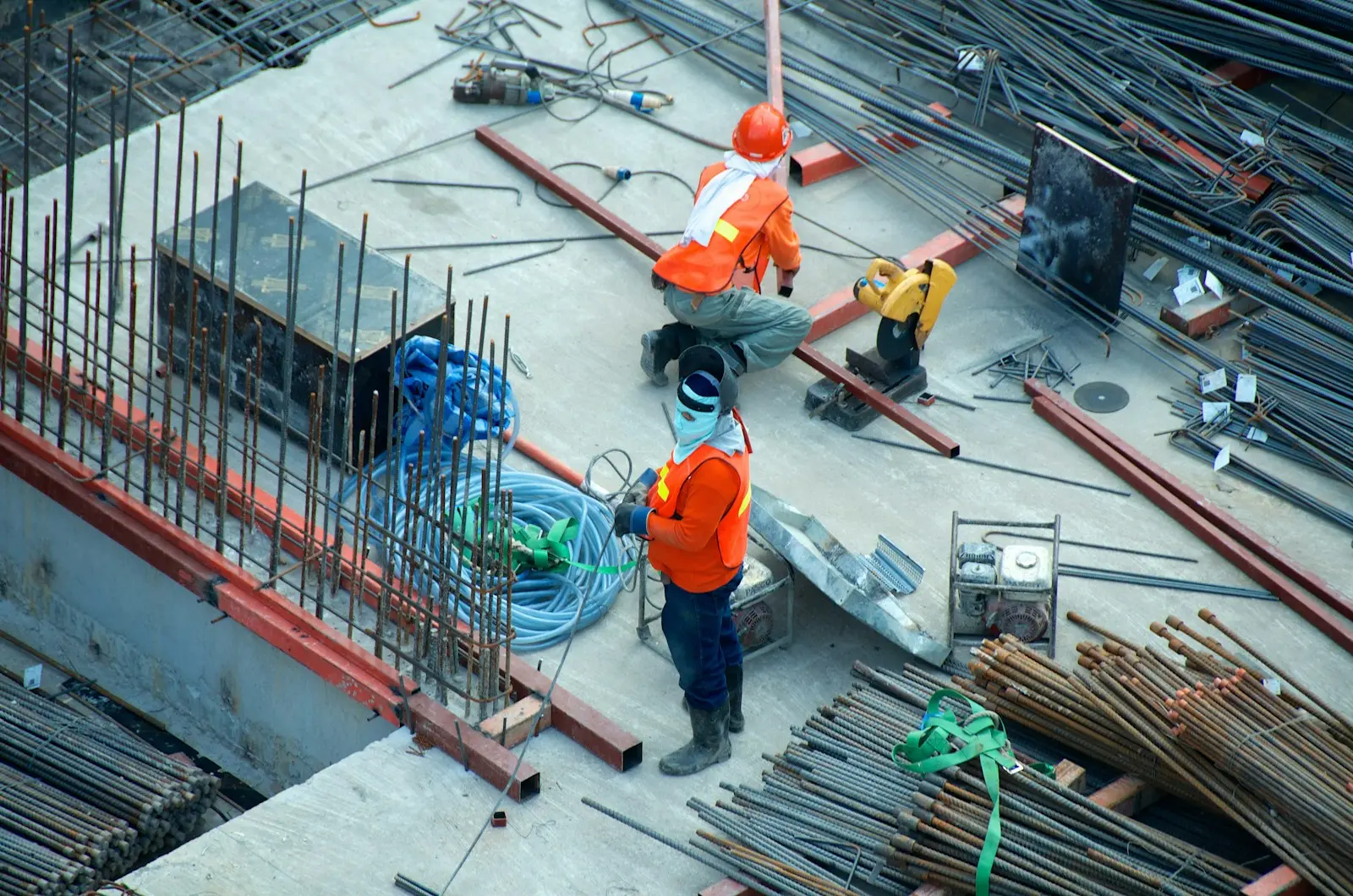
If you own a plot in Delhi and are deciding between building an independent house or a builder floor configuration, this decision will have long-term financial and lifestyle implications. Builder floors — typically G+2 or G+3 structures with one independent unit per floor — have become the dominant residential format in Delhi due to their superior financial returns. However, independent houses offer privacy and design freedom that builder floors cannot match. This guide from Nirman Ved compares both options across every parameter that matters.
How Does Construction Cost Compare Between Builder Floors and Independent Houses?
The cost difference between the two is the first factor most homeowners consider. Building a G+2 builder floor in Delhi costs approximately ₹2,200-3,000/sqft for the total built-up area across all floors. An independent house (single or double floor for personal use) typically costs ₹1,800-2,800/sqft. The total expenditure on a builder floor is higher because you are constructing more total area — for example, a 200 sqyd plot might yield 3,600 sqft of built-up area across three floors (₹80-108 lakhs total) versus 1,800 sqft for a two-floor independent house (₹32-50 lakhs). But the per-sqft cost is comparable; you are simply building more.
FAR Utilisation: Builder Floor Advantage
Floor Area Ratio (FAR) is a critical advantage for builder floors. Delhi's current FAR regulations for residential plots allow a FAR of 200-350 depending on plot size and zone. On a 200 sqyd plot with a permissible FAR of 300, you can build up to 5,400 sqft of covered area. An independent house rarely uses this full FAR — a family of four to six people simply does not need 5,400 sqft. Builder floors, however, utilise nearly the entire permissible FAR, maximising the value of your land.
Which Option Generates Better Rental Income in Delhi?
Rental income potential is where builder floors decisively outperform independent houses. If you live on the ground floor and rent out the first and second floors of a builder floor in a decent Delhi locality, monthly rental income can range from ₹30,000 to ₹80,000 per floor depending on the area, size, and finishes. That means ₹60,000 to ₹1,60,000 per month from two floors. An independent house generates zero rental income unless you convert part of it into a rental unit, which often compromises your own living space and privacy.
Resale Value and Investment Returns
Resale value in Delhi strongly favours builder floors for investment-minded owners. A well-constructed builder floor on a 200 sqyd plot in areas like Dwarka, Janakpuri, Rohini, or Greater Kailash can sell for ₹2-5 crore depending on the locality. Individual floors can also be sold separately as independent units (with proper legal structure), offering more flexible exit options. An independent house on the same plot typically commands a lower price because buyers factor in the cost of demolishing and rebuilding to a higher-density configuration.
Construction timeline differs as well. A two-floor independent house typically takes 14-18 weeks to complete. A G+2 or G+3 builder floor takes 20-28 weeks due to the additional structural work, more complex plumbing and electrical systems for separate units, individual metering arrangements, and separate staircase access requirements. Nirman Ved provides detailed Gantt chart timelines for both configurations at the project planning stage.
How Does Design Freedom and Privacy Compare?
Design flexibility is the primary advantage of an independent house. You have complete freedom to design open floor plans, double-height living rooms, internal courtyards, large terraces, and custom layouts that reflect your personal style. Builder floors impose constraints because each floor must function as a complete, independent unit with its own entrance, kitchen, bathrooms, and utility connections. While Nirman Ved's architects create beautiful builder floor designs, the format inherently limits architectural experimentation.
Privacy and lifestyle quality differ significantly. In an independent house, you have no neighbours sharing your structure, no common staircase traffic, no noise transmission between floors, and complete control over the building's exterior and common areas. In a builder floor, even if you own the entire structure, tenants on other floors mean shared staircases, occasional noise, and the need to manage tenant relationships. Many families find this trade-off acceptable given the financial benefits, but it is a genuine lifestyle difference.
What Are the Structural and Legal Differences?
Structural engineering requirements are more demanding for builder floors. A G+3 builder floor requires deeper foundations, larger column sizes, and heavier reinforcement compared to a G+1 independent house. In Delhi's seismic zone IV, the structural design must comply with IS 1893 seismic code provisions, and taller structures experience greater seismic forces. Nirman Ved's structural engineers design every builder floor with a safety factor exceeding code requirements, but homeowners should understand that the engineering complexity — and therefore cost — increases with height.
RERA and Regulatory Requirements for Builder Floors
Legal and regulatory considerations also differ. Builder floors intended for sale as individual units must comply with RERA if they exceed the threshold of 8 units or 500 sqm plot area. Each floor needs a separate electricity meter, water connection, and property tax assessment. The building plan must show independent access for each unit. Nirman Ved handles all regulatory paperwork and ensures that builder floor projects are legally structured for easy sale or rental of individual floors.
Which Option Should You Choose for Your Delhi Plot?
Maintenance costs for builder floors are typically shared among floor owners or tenants, making them more economical on a per-family basis. Common area maintenance, staircase cleaning, external painting, and roof waterproofing costs are divided among three or four families instead of being borne by one. An independent house owner bears all maintenance costs alone, which can be significant for larger properties.
Nirman Ved's recommendation depends on your specific situation. If your primary goal is maximising financial returns from your plot, building a builder floor is almost always the better choice. If you prioritise architectural freedom, absolute privacy, and have no interest in rental income, an independent house delivers a superior living experience. Many of our clients opt for a hybrid approach — building a G+2 structure where the ground floor is designed as a spacious independent-house-style home for personal use, while the upper floors are built as compact, rentable units. Contact Nirman Ved for a free site assessment and customised recommendation for your plot.
Ready to Start Your Project?
Get a free site inspection and detailed cost estimate from Nirman Ved.
Get Free Consultation